Pinco Platformasının Ətraflı Baxışı – Üstünlüklər və Risklər
Pinco, Azərbaycanda fəaliyyət göstərən onlayn platformalardan biridir. Burada, hər şeyi yoxlayan ehtiyatlı bir istifadəçi kimi, platformanın ümumi baxışını, onun necə işlədiyini, güclü və zəif tərəflərini araşdıracağıq. Ətraflı məlumat üçün pinco az səhifəsinə nəzər yetirə bilərsiniz. Bu icmalda, sadəcə reklam deyil, real təcrübəyə əsaslanan konstruktiv tənqidi yanaşma ilə qarşılaşacaqsınız.
Pinco Interfeysi – Hər Şey Aydındırmı?
Platformaya ilk daxil olduğunuzda, dizaynın müasir və istifadəçi dostu olduğunu görə bilərsiniz. Ancaq, həmişə olduğu kimi, sual veririk: bu sadəlik hər kəs üçün kifayətdirmi? Əsas menyu kifayət qədər aydındır, lakin bəzi funksiyaların yerini tapmaq üçün bir az axtarış tələb oluna bilər. Mobil versiyada interfeys daha sıxışıq görünə bilər, bu da böyük ekranlı cihazlarda daha rahatdır. Ümumilikdə, interfeys yaxşı hazırlanıb, amma təkmilləşdirilə biləcək kiçik detallar var.
Pinco Əsas Bölmələri – Hara Nəzər Yetirməli?
Platformanın strukturunu başa düşmək üçün əsas bölmələri araşdırmaq vacibdir. Burada hər şey bir yerə yığılıb, amma bu həmişə yaxşı deyil. Məsələn, promosyonlar bölməsi aydın şəkildə qeyd olunub, lakin bəzi təkliflərin şərtləri dərhal gözə çarpmır və kiçik şriftlə yazıla bilər. Bu, istifadəçilərin diqqətindən yayına biləcək məqamları gizlədə bilər.
Qeydiyyat Prosesi – Asanlıq və Təhlükəsizlik
Pinco-da qeydiyyat adi prosedurdur: telefon nömrəsi, e-poçt və şəxsi məlumatlar tələb olunur. Ancaq skeptik baxışla sual veririk: bu məlumatlar hara gedir və necə qorunur? Platforma əsas təhlükəsizlik tədbirlərini tətbiq edir, məsələn, e-poçt təsdiqi. Lakin, parolunuzun mürəkkəbliyinə özünüz nəzarət etməlisiniz – bu, çox vaxt unudulan amildir. Qeydiyyat sürətli ola bilər, amma bu sürət məlumatların düzgünlüyünü yoxlamaq üçün kifayət deyil.
- Qeydiyyat üçün mobil nömrə və aktiv e-poçt ünvanı tələb olunur.
- Məlumatların daxil edilməsi səhifəsi sadədir, lakin bəzi sahələrin məcburi olub-olmadığı həmişə aydın deyil.
- Hesabı təsdiqləmək üçün SMS kodu göndərilir – bu, standart, lakin zəif nömrə mühafizəsi olan istifadəçilər üçün risk ola bilər.
- Qeydiyyatdan dərhal sonra daxil ola bilərsiniz, amca KYC prosesi tam başa çatana qədər bəxi funksiyalar məhdudlaşa bilər.
Pinco Mobil Tətbiqi – Rahatlıq və Məhdudiyyətlər
Mobil tətbiq App Store və Google Play-də mövcuddur. Yükləmə ölçüsü orta hesabla, quraşdırma isə problemsizdir. Ancaq, tənqidi baxışla qeyd edək: tətbiq bəzən köhnə cihazlarda ləngiyə bilər və bəzi funksiyalar brauzer versiyasından daha sadələşdirilmiş ola bilər. Bildirişlər vaxtında gəlir, lakin onları konfiqurasiya etmək imkanları məhduddur. Ümumilikdə, tətbiq əsas ehtiyacları ödəyir, amma təkmilləşdirməyə ehtiyacı var.
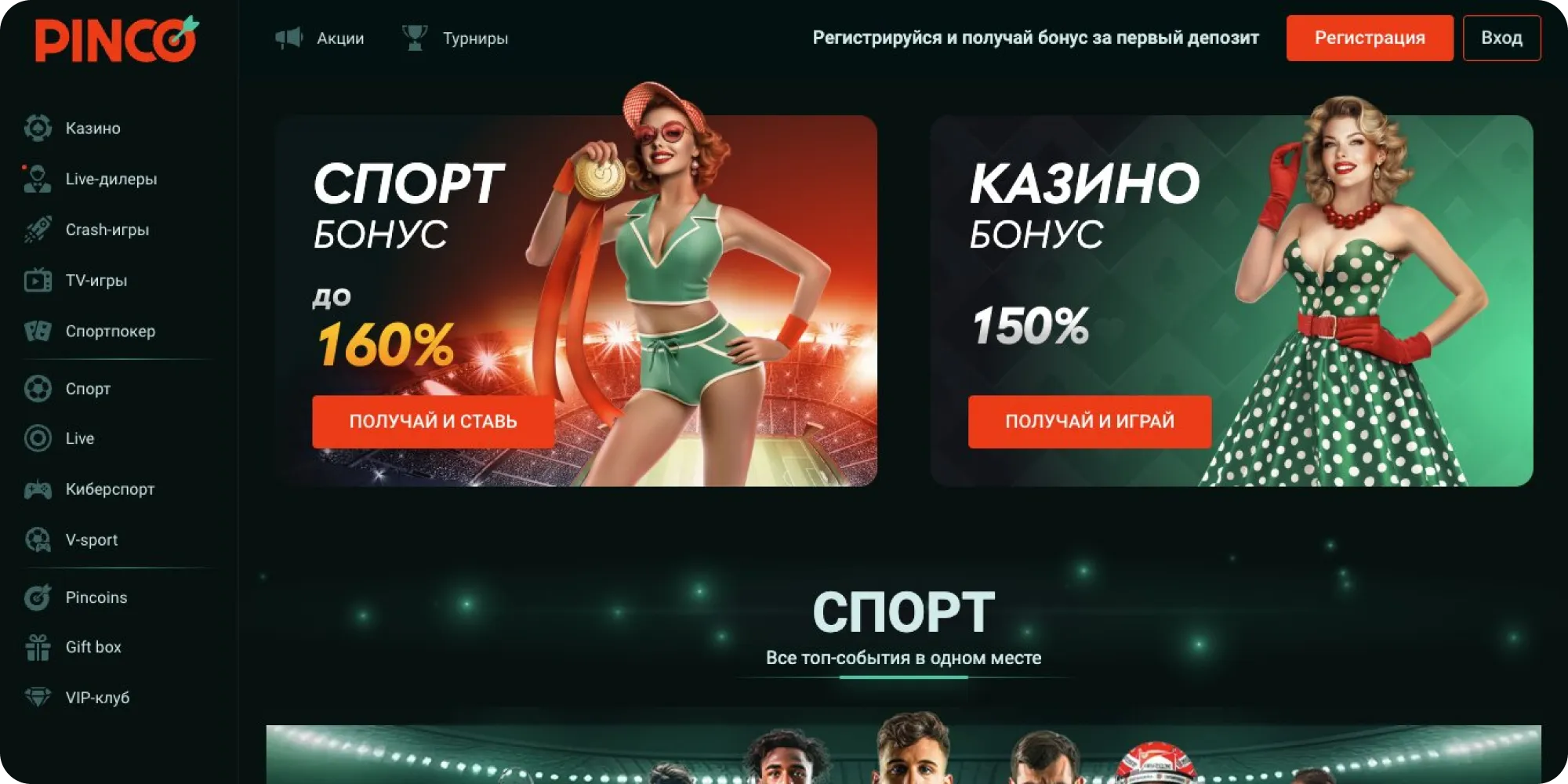
Bonuslar və Promosyonlar – Həqiqətən Faydalıdırmı?
Pinco müxtəlif bonuslar təqdim edir: ilk depozit bonusu, cashback, xüsusi tədbirlər. Lakin, diqqətli olun: hər bir bonusun şərtləri və oynama tələbləri (wagering requirements) var. Bu şərtlər çox vaxt kiçik şriftlə və mürəkkəb ifadələrlə yazılır. Sual veririk: bu şərtləri adi istifadəçi asanlıqla başa düşə bilərmi? Bəzi təkliflər cəlbedici görünə bilər, amma praktikada onlardan faydalanmaq gözləniləndən daha çox çətin ola bilər.
| Bonus Növü | Görünən Üstünlük | Potensial Çətinlik |
|---|---|---|
| İlk Depozit Bonusu | Balansınıza əlavə vəsait | Yüksək oynama tələbi, məhdud oyunlar |
| Cashback | İtkilərin bir hissəsinin qaytarılması | Faiz aşağı ola bilər, maksimum limit |
| Pulsuz Fırlanmalar | Risk olmadan oynamaq imkanı | Məhdud sayda, qazanclar şərtli |
| Həftəlik Təkliflər | Müntəzəm stimullar | Tez-tez dəyişir, izləmək çətindir |
| Loyalty Proqramı | Uzunmüddətli fayda | Yüksək səviyyələrə çatmaq çox vaxt tələb edir |
Depozitlər və Çıxarışlar – Şəffaflıq və Gözləmə Müddətləri
Pinco Azərbaycan manatı ilə işləyir və yerli ödəniş üsullarını dəstəkləyir. Depozitlər adətən dərhal hesaba daxil olur, bu müsbət cəhətdir. Ancaq çıxarışlarda vəziyyət fərqlidir. Müxtəlif üsullar üçün müxtəlif emal müddətləri ola bilər. Sual veririk: niyə pul yatırmaq bir dəqiqə, çıxarmaq isə bir neçə saat və ya həftə tələb edir? Komissiyalar haqqında məlumat şəffafdır, lakin bəzi kiçik çap şərtlərində gizlənə bilər.
- Qəbul olunan ödəniş üsulları: bank kartları (Visa/Mastercard), elektron pul kisələri, mobil operatorlar.
- Minimum depozit məbləği aşağıdır, bu başlanğıc üçün əlverişlidir.
- Çıxarış sorğularının təsdiqi üçün əlavə sənəd tələb oluna bilər, bu gözlənilməz gecikmələrə səbəb ola bilər.
- Valyuta çevrilməsi zamanı bankın öz məzənnəsi tətbiq oluna bilər, bu da gözlənilməz itkilərə səbəb ola bilər.
- Müştəri dəstəyi çıxarışların statusu barədə məlumat verə bilir, lakin prosesi sürətləndirə bilmir.
Təhlükəsizlik və KYC – Şəxsi Məlumatlarınız Təhlükəsizdirmi?
Hər hansı bir platformada ən vacib məsələ təhlükəsizlikdir. Pinco 128-bit SSL şifrələməsindən istifadə edir, bu standart təhlükəsizlik tədbiridir. Lakin, KYC (Müştərini Tanı) prosesi çox sərt ola bilər. Sənədlərinizi (şəxsiyyət vəsiqəsi, ünvan sübutu) təqdim etməlisiniz. Bu, qanuni tələbdir, amca sual veririk: bu məlumatların saxlanması və işlənməsi necə təşkil olunub? Platforma qanunlara əməl etdiyini bildirir, lakin istifadəçilər öz məlumatlarının taleyi barədə tam aydınlığa malik olmaya bilərlər.
Pinco Müştəri Dəstəyi – Problemləri Həll Etdə Bilirmi?
Dəstək xidməti canlı söhbət, e-poçt və telefon vasitəsilə mövcuddur. Cavab müddəti vəd olunduğu kimi tez ola bilər, amma təcrübə fərqli ola bilər. Sadə suallara cavablar tez gəlir, lakin mürəkkəb texniki və ya maliyyə məsələləri üçün bir neçə gün gözləmək lazım gələ bilər. Dəstək işçiləri adətən nəzakətlidir, amma bəzən hazır cavablarla məhdudlaşa bilirlər. Əsas məsələ ondadır ki, problem həll olunurmu, yoxsa sadəcə cavab verilirmi?
Ümumi Qiymətləndirmə – Pinco Sizə Uyğundurmu?
Pinco, Azərbaycan bazarı üçün nəzərdə tutulmuş, funksional platformadır. Onun güclü tərəfləri arasında lokal valyutanın dəstəyi, intuitiv interfeys və müxtəlif ödəniş üsulları var. Lakin, ehtiyatlı istifadəçi kimi, diqqət yetirməli olduğunuz çatışmazlıqları da qeyd etməliyik: bəzi promosyon şərtlərinin qeyri-şəffaflığı, çıxarışların gecikmə ehtimalı və KYC prosesinin sərtliyi. Qərar verməzdən əvvəl, bütün şərtləri diqqətlə oxuyun, məbləğ limitlərinizi aydın şəkildə müəyyənləşdirin və platformanı kiçik məbləğlərlə sınayın. Yadda saxlayın, hər bir seçimin öz riskləri var və məsuliyyət daima istifadəçidədir.


